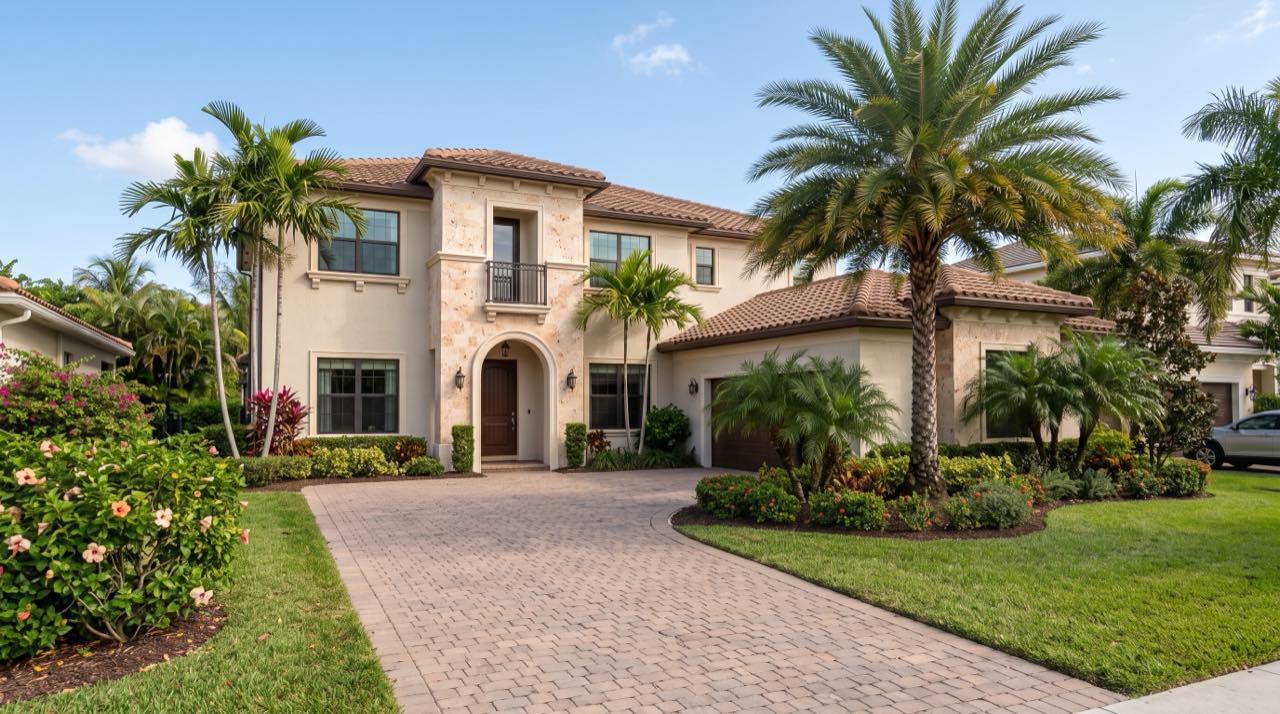
The short answer: Moving from New York to Florida usually saves you the most on income tax, because Florida has no personal income tax and New York charges state tax plus a city tax for NYC residents. Florida gives some of that back through homeowners insurance, separate flood coverage, and property tax. File for the homestead exemption on your primary home, and watch the Amendment 3 vote on November 3, 2026, which could change homestead taxes from 2027.
TL;DR
- Florida has no personal income tax. New York has a state income tax, and NYC residents pay a city income tax on top.
- Insurance is the line New Yorkers underestimate. Standard homeowners policies generally don’t cover flood, and flood coverage is a separate policy.
- The homestead exemption can cut taxable value by up to $50,000, and the Save Our Homes cap holds yearly assessment increases to 3% or CPI, whichever is lower.
- Amendment 3 on the November 3, 2026 ballot would raise the homestead exemption outside school taxes if 60% of voters approve it.
- Rent for a season first if you can. It’s the cheapest insurance against a bad fit or a rental scam.
If you’re moving from New York to Florida, you’ve probably heard the pitch: no state income tax, endless sunshine, more house for your money. Some of that is true. Some of it quietly reverses once you get a real insurance quote. This guide shows the whole math, not the brochure version. Every rule below was checked against official sources on October 20, 2026.
I’m Marlo. I grew up in South Florida, and I love helping people make this move. I just refuse to let anyone make it on half the numbers. That’s why I built a full moving from New York to Florida game plan you can walk through with me.
How much do you save on taxes moving from New York to Florida?
This is the line that starts most conversations, and it’s the strongest one.
The Florida Department of Revenue is direct about it: Florida does not impose a personal income tax, so there’s no state return to file. New York does. Wage income is taxed at the state level, and New York City residents pay a separate city income tax, per the New York State tax tables.
For a high earner, that gap can fund a real chunk of a South Florida mortgage. For a middle income household, the savings are smaller but still meaningful. “No income tax” saves a surgeon and a teacher very different amounts, so run your own figure with a tax pro.
How do you become a Florida resident?
To make the tax story real, you have to actually live here and show it. The paperwork has deadlines.
- Driver license: the Florida DHSMV says new residents must get a Florida license within 30 days of establishing residency.
- Vehicles: title and register your car within 10 days of establishing residency, with insurance from a Florida licensed agent, per the same page.
- What counts as residency: FLHSMV lists starting a job here, enrolling kids in public school, registering to vote, filing for homestead, or living here more than six consecutive months.
Your New York tax status has its own rules on when you stop being a resident there. That’s a question for a tax professional, and it’s worth asking before you move, not after.
Is it cheaper to live in Florida than New York?
Usually, but with an asterisk the brochures skip.
You save on income tax. Then Florida hands part of the bill back in two places:
- Homeowners and flood insurance. This is the number almost every New Yorker underestimates. FloodSmart, FEMA’s flood program site, notes that most homeowners policies don’t cover flood damage, and a new flood policy generally takes 30 days to start unless you buy it with your mortgage at closing.
- Property tax. With no income tax, Florida leans on property tax, so the house you buy carries a real annual cost. Quote it on the specific address before you offer.
None of this erases the savings. It just means the true gap between New York and South Florida is narrower than a one line tax comparison suggests.
The tax savings are real. The insurance surprise is real too. You need both numbers before you fall for a house.
Marlo, on relocation math| Cost line | New York | Florida |
|---|---|---|
| State income tax | Yes, plus NYC resident tax | None on individuals |
| Primary home tax break | Varies by locality | Homestead, up to $50,000 off taxable value |
| Yearly cap on assessed value | Varies by locality | Lower of 3% or CPI (Save Our Homes) |
| Flood coverage | Separate policy | Separate policy, 30 day wait unless bought at closing |
The Florida homestead exemption, and the 2026 ballot question
If you take one thing from this guide, take this section.
Once a Florida home is your permanent residence, the homestead exemption can reduce its taxable value by as much as $50,000, per the Florida Department of Revenue. It also puts you under the Save Our Homes cap. Section 193.155, Florida Statutes, limits yearly increases in a homestead’s assessed value to 3% or the change in CPI, whichever is lower.
Timing matters. You must own the home and live in it as your permanent residence on January 1. In Broward, the Property Appraiser lists the timely filing window for the 2027 exemption as March 3, 2026 through March 1, 2027. New arrivals forget to file all the time. I make sure my buyers don’t.
Now the big one for 2026 movers. On November 3, 2026, Florida voters decide Amendment 3 (HJR 1F). According to the Manatee County Property Appraiser, if it passes it would:
- Raise the homestead exemption that does not apply to school taxes to $150,000 on January 1, 2027, and to $250,000 on January 1, 2028.
- Leave school taxes and the $25,000 school exemption unchanged.
- Add residency requirements for new Florida residents after January 1, 2027.
- Cut the yearly assessment cap on property that is not a homestead from 10% to 5%.
It needs 60% of the vote. If it fails, current law stays. Either way, if you’re closing soon, I’ll update you on what the result means for your January 1 timing.
Where do New Yorkers look in Broward County?
The relocation questions I get from the Northeast mostly start in southwest Broward. Here’s how those cities compare for a buyer:
- Weston is a master planned city with newer housing stock and established amenities already in place.
- Cooper City shares public school access with Weston at a different price point. My Cooper City vs Weston comparison lays it out.
- Davie and Pembroke Pines offer more variety in lot size and home age, with access to both Fort Lauderdale and Miami.
Working in Miami instead? My Miami guide covers the city side. What no guide can tell you is which street floods, which HOA is strict, and which school the exact address feeds. That’s the local part, and it’s the reason to have someone on the ground before you sign.
Should you rent before you buy?
For a lot of New Yorkers, the smartest first move is not to buy at all. It’s to rent for a season.
Renting first lets you test the commute, sit in the school zone, and collect real insurance quotes before you commit. It also protects you from something I see too often: the sight unseen scam. I worked with a renter who paid for a home they had never stood inside, only to arrive and find it occupied, with no recourse. When you’re moving across state lines, a local set of eyes is your cheapest protection.
If a test season sounds right, start with Broward rentals near the areas you’re considering. Then buy once you know the ground. My renting now, buying next plan shows how to line that up.
What to do first when moving from New York to Florida
Here’s the order I walk relocation clients through, so the move is a plan instead of a scramble:
- Run your real tax delta with a tax pro. Your income, your household.
- Get address specific insurance quotes, homeowners and flood, before you fall for a house.
- Pick a landing zone based on schools, commute, and budget.
- Rent a season if you can, especially if you’ve never lived in South Florida.
- Handle residency paperwork: license within 30 days, vehicle within 10.
- File for homestead by March 1 after you own and live in your primary home on January 1.
Do those in order and the move from New York to Florida stops feeling like a gamble. It becomes math you can actually see.
That’s the job I do on the relocation side. If you want a native running the numbers with you before you book a flight, that’s what my relocation help is built for. Send me where you’re coming from, and let’s price the real thing.